
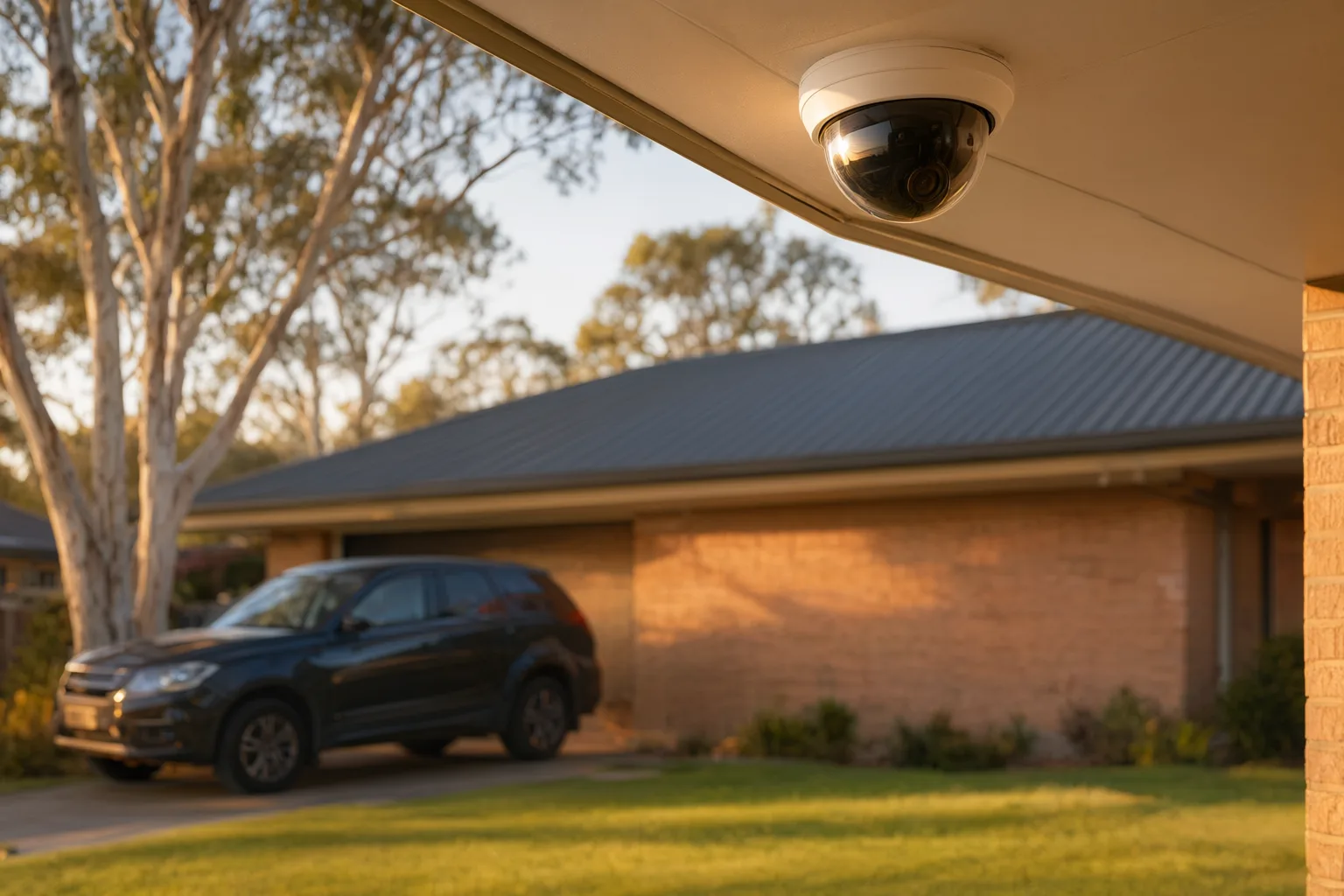
Key Takeaways
- Many Australian insurers offer premium discounts of 5–15% for homes with professionally installed CCTV
- Insurers favour monitored systems and professional-grade hardware over DIY consumer kits
- CCTV footage speeds up claims and protects you against disputed or fraudulent claims
- Combining CCTV with alarms and deadlocks can stack discounts for bigger savings
- Always tell your insurer about your system — discounts are rarely applied automatically
- A licensed, insured installation with a certificate of compliance carries more weight with underwriters
Why Insurers Reward Homes With CCTV
Insurance premiums are calculated on risk. The lower the chance of you making a claim, the less an insurer needs to charge you. A visible, professionally installed CCTV system reduces that risk in three ways: it deters opportunistic thieves before they act, it increases the chance of offenders being caught, and it provides clear evidence if you ever need to claim.
Australian insurers including major underwriters recognise this. While not every provider advertises a specific 'CCTV discount', most factor security measures into their underwriting questions. When you request a quote or renew your policy, you'll typically be asked whether your home has deadlocks, an alarm system, security screens and surveillance cameras. Answering yes to more of these questions generally results in a lower premium.
There's also a claims-side benefit that indirectly saves you money. Clear footage from a Hikvision ColorVu or Dahua TiOC camera can settle disputes quickly — whether it's a break-in, a car damaged in your driveway or a liability claim from a delivery driver. Faster, cleaner claims mean fewer premium increases down the track.
How Much Can You Actually Save?
Discounts vary significantly between insurers, but across the Australian market the typical range is 5 to 15 per cent off your annual home and contents premium for a professionally installed security system. On an average NSW premium of around $1,800 to $2,500 per year, that's a saving of roughly $90 to $375 annually.
The biggest savings come from stacking multiple security measures. CCTV alone might earn you a modest discount, but CCTV combined with a back-to-base monitored alarm, quality deadlocks and sensor lighting can push you into a higher discount tier. Some insurers also offer further reductions for retirees, owner-occupiers and homes in lower-crime postcodes — security upgrades compound these.
Over a ten-year period, a well-installed system can effectively pay for itself through premium savings alone, before you even count the avoided excess payments, reduced theft losses and the peace of mind that comes with 24/7 visibility of your property.
What Insurers Look For in a Security System
Not all cameras are treated equally by underwriters. A $99 wireless camera from a hardware store is unlikely to move the needle on your premium. Insurers place far more value on systems that are professionally installed, hardwired, and capable of recording reliably around the clock.
Features that carry the most weight include Power over Ethernet (PoE) cameras that can't be disabled by cutting a Wi-Fi signal, an NVR with continuous recording rather than motion-only clips, and intelligent detection such as Hikvision AcuSense or Dahua WizSense, which filter out false alarms from pets and tree movement. Remote viewing via a secure app also demonstrates the system is actively used and maintained.
Documentation matters too. A certificate of installation from a licensed NSW security installer, along with a tax invoice showing professional-grade equipment, gives your insurer confidence the system is genuine and functional. This is exactly the paperwork we provide with every Aussie CCTV Cams installation as part of our handover and training step.
Monitored vs Unmonitored Systems: The Premium Difference
The single biggest factor in the size of your insurance discount is whether your system is monitored. A self-monitored setup — where you receive alerts on your phone — will typically earn a smaller discount than a system connected to a professional monitoring centre that can dispatch a patrol or contact police on your behalf.
Back-to-base alarm monitoring combined with CCTV verification is the gold standard for insurers. When an alarm triggers, the monitoring centre can view your camera footage to confirm a genuine break-in, which dramatically improves police response priority. Many insurers reserve their best security discounts for this configuration.
That said, even an unmonitored, professionally installed CCTV system is worth declaring. The deterrence effect of visible cameras is well documented, and most insurers will still adjust your premium accordingly.
How to Claim Your CCTV Insurance Discount
The most important step is simply telling your insurer. Discounts are almost never applied automatically — you need to update your policy details. Call your insurer or update your policy online, and be ready to describe your system: the number of cameras, whether it's professionally installed, recording method, and any monitoring arrangements.
When comparing policies at renewal time, use comparison sites and direct quotes to see how each insurer weights security features. Some providers are far more generous than others, and switching insurers after installing a security system can unlock savings well beyond the discount itself.
Keep your installation certificate, invoice and any monitoring agreement on file. If you ever make a claim, your insurer may ask for evidence the system was operational — maintenance records from a licensed installer help here too. Our lifetime support means we can supply system documentation whenever you need it.
Beyond the Discount: The Full Financial Picture
Focusing only on the premium discount undersells the value of CCTV. Consider the excess on a typical home insurance claim — often $500 to $1,000. If a visible camera deters even one break-in over the life of the system, that's money saved on top of your annual discount, not to mention the avoided trauma and the items no payout can truly replace.
CCTV also protects you from liability claims. Footage of a slip-and-fall on your property, a boundary dispute with a neighbour, or damage caused by a tradesperson can save thousands in legal costs and prevent premium hikes from contested claims.
For most NSW households, a quality four-camera PoE system with an NVR pays for itself within three to five years through combined premium savings, avoided excesses and claim protection — and keeps delivering value for a decade or more with basic maintenance.
Typical Insurance Impact by Security Setup
| Security Setup | Typical Premium Impact | Insurer Confidence Level | Best For |
|---|---|---|---|
| DIY wireless camera (self-installed) | 0–3% discount | Low — rarely recognised | Basic deterrence only |
| Professionally installed CCTV, unmonitored | 5–10% discount | Moderate — needs install certificate | Most suburban homes |
| CCTV + monitored alarm (back-to-base) | 10–15% discount | High — preferred by underwriters | Higher-value homes, frequent travellers |
| Full suite: CCTV, alarm, deadlocks, sensor lighting | Up to 15–20% combined | Highest — stacked discounts | Maximum savings and protection |