
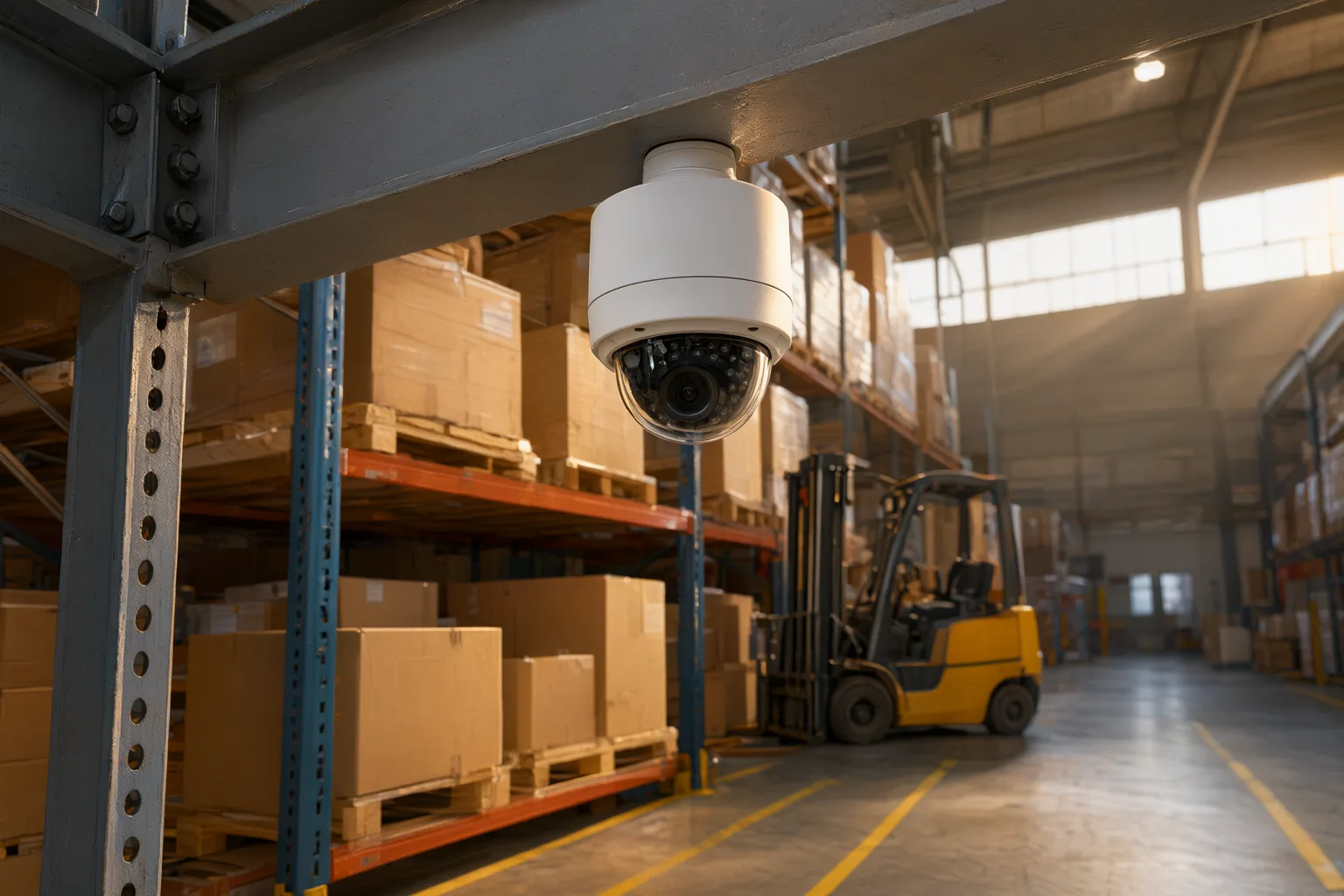
Key Takeaways
- Australian insurers typically reward compliant CCTV with 5–20% premium reductions at renewal
- Security warranty clauses make operational CCTV mandatory for cash, jewellery and alcohol businesses
- Insurers usually require 4MP+ cameras, 30-day retention and coverage of entries, tills and storage
- DIY consumer cameras rarely qualify for any commercial insurance discount in Australia
- Timestamped footage defends slip-and-fall and workers compensation claims worth tens of thousands
- Always confirm specifications with your broker before buying to secure an insurer-approved CCTV installation
How Does CCTV Lower Your Business Insurance Premium?
Yes — a properly installed and maintained CCTV system can lower your business insurance premium in Australia, typically by somewhere between 5% and 20%. The catch is that the discount depends heavily on who installed the system, what equipment was used, and whether you actually tell your insurer about it. A licensed installer fitting commercial-grade cameras with documented coverage will be treated very differently from a handful of wireless consumer cameras bought off a shelf.
There's a second, less obvious way cameras save money: claims. Footage proves what happened during a break-in, a slip-and-fall incident or an alleged property damage event, which shortens claim timelines and shuts down fraudulent liability claims before they cost you five or six figures. For some businesses, that claims protection ends up being worth more than the premium reduction itself.
What Do Underwriters Reward in a Camera System?
Insurance pricing is risk pricing. Underwriters calculate how likely you are to lodge a claim and how severe that claim is likely to be, then set your premium accordingly. Anything that verifiably reduces either factor gives them room to sharpen their pencil at renewal — and CCTV does both. Visible [[body-worn-cameras-vs-fixed-cctv-for-retail-security-teams|cameras]] deter opportunistic theft and vandalism, while recorded evidence reduces the severity of incidents that do occur by enabling faster recovery and clearer liability outcomes.
The size of the reward tracks the size of the risk. A warehouse holding high-value stock, a jewellery store handling cash and precious goods, or a construction site with expensive plant left on site overnight presents exactly the exposures cameras address best, so those businesses tend to see the most meaningful discounts. A low-risk office with little stock and minimal public foot traffic has less to gain, simply because there's less loss potential for cameras to mitigate.
It's also worth understanding the underwriter's perspective on equipment quality. Commercial-grade IP cameras from manufacturers like Hikvision, Dahua, Uniview and Axis, fitted by a licensed security installer with documented coverage zones, represent a genuine risk control measure. Consumer-grade DIY kits, in an insurer's assessment, are frequently unreliable, easily disabled and produce footage too poor to identify anyone — so they're often treated as having little or no risk-reduction value at all.
When Is CCTV a Condition of Cover, Not Just a Discount?
For certain industries, cameras aren't optional. Policies covering businesses that handle cash, trade in jewellery, stock pharmaceuticals or electronics, or sell alcohol frequently contain a 'security warranty' clause. These clauses require specified security measures — usually monitored alarms plus operational CCTV covering defined areas — to be installed, switched on and maintained at all times as a condition of the policy itself.
This is where businesses get badly burned. They install a system once, never think about it again, and after a break-in discover the recorder failed months earlier or half the cameras had been knocked out of position. When the insurer asks for proof the system was operational at the time of the loss — installation certificates, maintenance logs, sometimes footage samples — and none exists, the insurer can reduce the payout or decline the claim entirely.
The practical lesson is to treat your camera system the way you treat fire safety equipment: scheduled checks, documented servicing and prompt repairs. A camera that isn't recording isn't deterring anyone, and from an insurance standpoint it may as well not exist. Keeping service records isn't bureaucracy — it's what protects both your stock and your cover. Licensed under the Security Industry Act, Aussie CCTV Cams ensures every installation satisfies Australia's Privacy Act requirements.
Which CCTV Specifications Do Insurers Actually Look For?
Underwriters and brokers assess camera systems against fairly consistent criteria, and knowing them before you buy saves expensive rework later.
Coverage comes first. Insurers expect all entry and exit points, loading docks, tills, safes, stock rooms and car parks to be covered, with no blind spots undermining the system's value as a deterrent or an evidence source. Image quality comes second: footage needs to identify faces and number plates, which generally means modern IP cameras rated at least 4MP–8MP rather than ageing [[ip-cameras-vs-analogue-what-australian-businesses-should-choose-today|analogue]] units producing unidentifiable silhouettes.
Retention and reliability follow. Most insurers expect at least 30 days of footage stored on a dependable NVR with a surveillance-grade hard drive, ideally backed up so recording continues through power outages. Evidence-strengthening features add further weight — technologies such as Hikvision ColorVu deliver full-colour night imaging, AcuSense provides accurate human and vehicle detection that cuts false alerts, and ANPR cameras at gates and driveways automatically capture vehicle number plates. Finally, remote viewing matters: a system you or a monitoring centre can check live is far more valuable than one reviewed only after something goes wrong.
- Complete coverage of entries, exits, tills, safes and loading zones
- 4MP resolution minimum for identifiable faces and plates
- 30+ days retention on a reliable NVR with surveillance-grade storage
- Certificate of installation from a licensed security installer
- Remote viewing or professional monitoring capability
- Documented servicing and maintenance history
Why Does Footage Protect You in Liability and Theft Claims?
Even when no premium discount is on offer, video evidence earns its keep at claim time. Slip-and-fall claims against retailers, workers compensation disputes, allegations of damage to customer vehicles or property, and staged injury claims are all defended dramatically more effectively with clear timestamped footage. Businesses have avoided substantial payouts purely because a camera showed what actually happened rather than what a claimant alleged.
Speed matters too. Handing your insurer timestamped footage of a break-in within hours moves the claim along quickly; relying instead on police reports, witness statements and assessor estimates drags the process out for weeks and often ends in a disputed settlement. Insurers understand this dynamic well, which is precisely why they build camera systems into their pricing models.
There's also a broader portfolio effect. A [[future-proofing-your-business-cctv-4k-ai-and-what-comes-next|business]] presenting with cameras, monitored alarms and access control reads as a well-managed risk across the board. That strengthens your negotiating position at renewal on the whole policy — not just the theft component — and can influence excess levels and policy terms as well.
Should You Talk to Your Broker Before Installing CCTV?
Discounts rarely apply themselves. The first step is talking to your insurance broker before you spend anything on hardware. Ask precisely what your insurer requires or rewards: how many cameras, what resolution, what retention period, whether monitoring is expected, and whether they need a certificate of installation from a licensed security installer. Buying first and asking later risks owning a system that doesn't meet the specification.
Once installation is complete, submit documentation proactively: the invoice and installation certificate, a coverage map showing camera positions, NVR specifications and retention settings, and any monitoring agreements. File these carefully and update them whenever you expand or upgrade the system.
Finally, revisit your policy every year. If you've added ANPR at your depot gate or upgraded yard cameras to ColorVu units since last renewal, that's new risk information your insurer should price in. Businesses that actively present their security improvements consistently achieve better renewal outcomes than those waiting passively for the insurer to ask.
What Equipment Meets Insurer Standards for Commercial Security Camera Insurance Discounts?
The cheapest camera package is almost never the one your insurer values. A compliant installation begins with a proper site assessment — mapping risk areas, lighting conditions and the coverage zones your policy demands — followed by a design matched to those requirements. A structured process of consultation, design, installation, configuration and handover training ensures nothing gets missed, and produces the paperwork insurers expect to see.
Equipment choice matters just as much in Australian conditions. Heat, coastal salt air, storms and dust destroy consumer-grade gear within a couple of summers, whereas commercial-grade systems from Hikvision, Dahua, Uniview and Axis are engineered to survive them. Whether you operate a retail shopfront, a warehouse, a hospitality venue or a construction site, the goal is the same: a system that protects your stock, your staff and your insurance position simultaneously. Requesting a free quote and walking through your insurer's likely requirements before committing is the smartest first move.
Do These Common Mistakes Cost Businesses Their Cover?
Several avoidable errors repeatedly undermine otherwise good intentions. Installing consumer DIY cameras and assuming they'll qualify for a discount is the most common — insurers generally disregard them entirely. Failing to notify the insurer after installation is another; if they don't know the system exists, it can't be priced into your premium.
Neglecting maintenance is the costliest mistake of all. Under a security warranty clause, a system that wasn't recording at the time of a loss can void the very conditions your policy depends on. And finally, letting coverage drift out of date — new entrances, relocated stock rooms, extended car parks — leaves blind spots that weaken both deterrence and evidence value. An annual review of both your policy and your camera layout closes this gap.
How Australian Insurers Treat Common CCTV Features
| System Feature | Typical Insurer Treatment | Why It Matters |
|---|---|---|
| Installation by a licensed security installer | Often required for discounts | Verifies the system meets a recognised standard |
| 4MP+ commercial IP cameras (Hikvision, Dahua, Axis) | Strongly favoured | Footage identifies faces and plates for claims |
| 30+ days retention on a reliable NVR | Commonly required | Guarantees evidence exists when claims are lodged |
| Monitored alarm integration | Frequent discount trigger | Real-time response limits loss severity |
| ANPR cameras at gates and driveways | Rewarded for depots and yards | Automatic vehicle records support theft claims |
| Documented maintenance and servicing logs | Required under security warranties | A faulty system can void cover conditions |
| Consumer DIY wireless cameras | Usually disregarded | Unreliable, easily disabled, poor evidence quality |