
Key Takeaways
- Premium cameras capture usable evidence at night and in harsh Australian conditions where budget models fail.
- AI features like AcuSense cut false alarms by filtering out pets, insects and moving trees.
- Budget systems often cost more over five years due to replacements, subscriptions and poor support.
- Mid-range professional systems offer the best value for most homes and small businesses.
- Licensed installation matters as much as camera quality for coverage, cabling and compliance.
What Separates Budget CCTV from Premium CCTV?
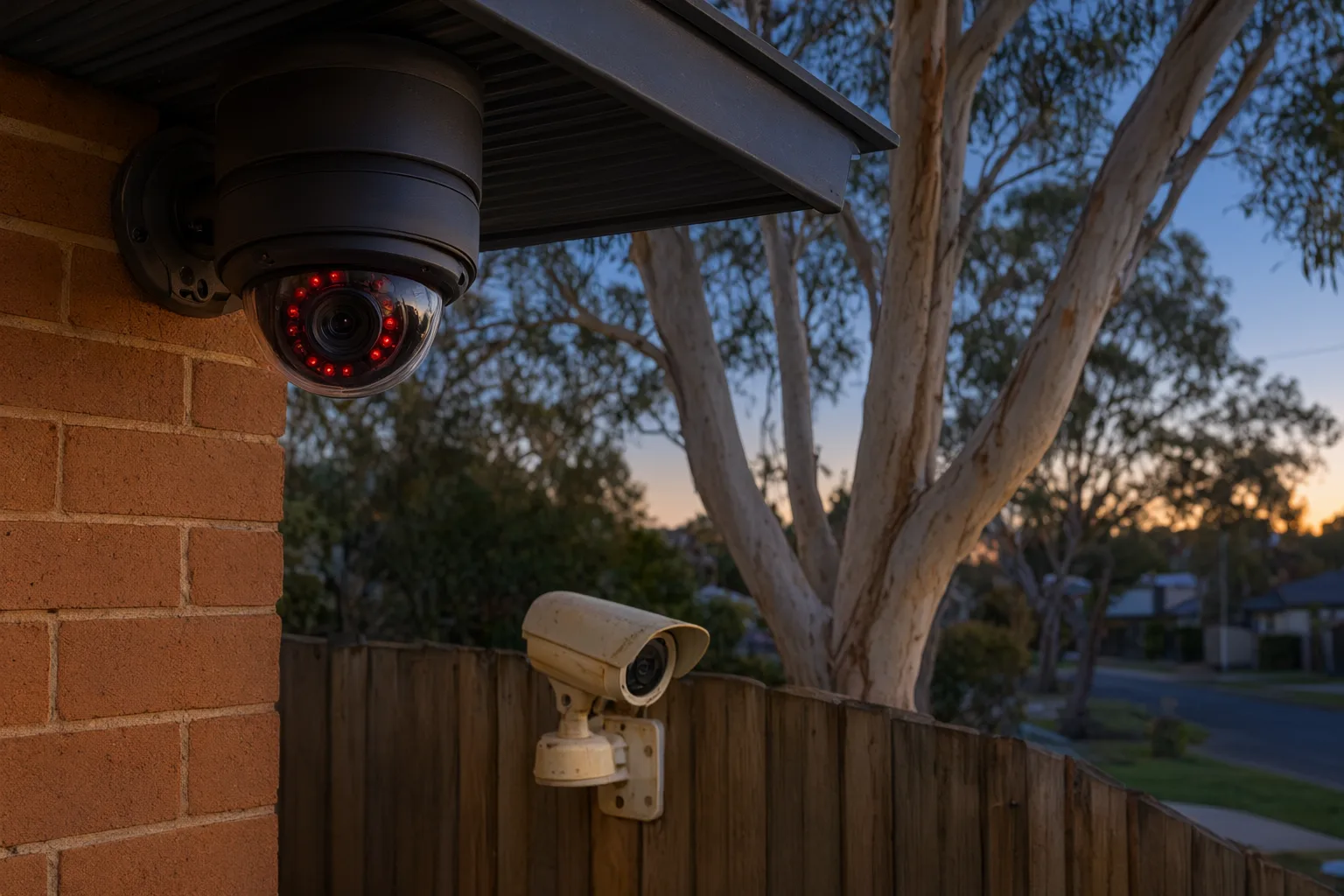
Walk into any electronics retailer or browse online marketplaces and you will find CCTV kits ranging from under two hundred dollars to several thousand. The gap is not just branding. Budget systems typically use smaller image sensors, plastic housings, basic infrared night vision and consumer-grade recorders. Premium systems from manufacturers like Hikvision, Dahua, Uniview and Axis use larger Starlight sensors, metal weather-sealed housings, motorised lenses and recorders built for continuous operation.
The practical difference shows up when you actually need the footage. A budget camera might show you that someone was at your front gate. A premium camera shows you their face, clothing detail and the number plate of the car they arrived in. For security purposes, that difference is everything.
Image Quality and Night Vision: Where the Gap Is Largest
Resolution numbers on a box can be misleading. A cheap 4K camera with a small sensor and poor lens often produces worse real-world footage than a quality 4MP camera with a large sensor. Sensor size, lens quality and image processing determine whether footage is usable as evidence.
Night performance is where premium cameras earn their price. Technologies like Hikvision ColorVu and Dahua Full-Colour use large apertures and supplemental lighting to record full-colour video in near darkness. Budget cameras switch to grainy black-and-white infrared, losing colour detail that helps police identify vehicles and clothing. In Australian suburbs where most break-ins happen after dark, this is the single biggest reason to spend more.
Smart Detection: Fewer False Alarms, Faster Responses
Basic motion detection triggers on everything: possums, spider webs, rain, shadows and trees moving in the wind. After a few weeks of constant false alerts, most people mute notifications entirely, which defeats the purpose of having cameras.
Premium systems include AI-powered detection such as Hikvision AcuSense and Dahua WizSense, which classify humans and vehicles and ignore everything else. Higher-end models add perimeter protection, loitering detection and ANPR number plate recognition. You get alerts that matter, when they matter, straight to your phone.
Durability in Australian Conditions
Australian conditions are brutal on outdoor electronics. Summer heat inside a camera housing can exceed 60 degrees, coastal suburbs like Cronulla and Newcastle expose equipment to salt air, and western NSW properties deal with dust, storms and bushfire smoke.
Premium cameras carry IP66 or IP67 weather ratings, metal or UV-stabilised housings and wide operating temperature ranges. Budget cameras often fail within two to three summers, with seals cracking, lenses fogging and plastics becoming brittle. Replacing failed cameras, plus the labour to swap them, quickly erases any upfront saving.
The True Cost of Ownership Over Five Years
The sticker price is only part of the story. Many budget DIY systems rely on cloud subscriptions for recording and alerts, adding hundreds of dollars per year forever. Professional systems record locally to an NVR with no ongoing fees.
Factor in replacement cycles, subscription costs and the value of footage that actually identifies an intruder, and a professionally installed mid-range system usually costs less over five years than a cheap kit replaced twice. There is also the hidden cost of a security incident where your footage is too poor to use.
When Budget CCTV Is Good Enough
To be fair, budget cameras have their place. Indoor monitoring of a low-risk area, keeping an eye on pets, or a temporary setup on a rental property can all be handled by an affordable camera. If you simply need to check in on a room and do not rely on the footage for evidence, spending big makes little sense.
The mistake is using budget gear for critical coverage: front entries, driveways, rear access points, shopfronts and perimeters. These are the locations where footage needs to hold up, and where premium hardware pays for itself the first time something happens.
Why Installation Quality Matters as Much as the Camera
Even the best camera performs poorly when mounted at the wrong height, aimed into the sun or connected with undersized cabling. Professional installation covers camera positioning for facial capture, correct lens selection for each zone, proper cable protection and secure network configuration.
As licensed and insured NSW installers, we follow a five-step process: consult, design, install, configure and handover with training. You get a system designed for your property's layout and lighting, professional-grade hardware from Hikvision, Dahua, Uniview and Axis, and lifetime support. That combination is what turns a camera purchase into actual security.
Budget vs Mid-Range vs Premium CCTV Comparison
| Feature | Budget DIY Kit | Professional Mid-Range | Premium Commercial |
|---|---|---|---|
| Typical 4-camera cost (installed) | $400–$900 (self-install) | $1,800–$3,500 | $4,000–$8,000+ |
| Night vision | Basic infrared, black and white | Colour night vision (ColorVu/Full-Colour) | Full-colour plus thermal or ANPR options |
| Smart detection | Basic motion, frequent false alarms | Human and vehicle AI (AcuSense/WizSense) | Advanced AI, ANPR, perimeter analytics |
| Weather rating | IP65 or unrated, plastic housing | IP66/IP67, metal housing | IP67/IK10 vandal and corrosion resistant |
| Recording | Cloud subscription or basic SD card | Local NVR, no ongoing fees | Redundant NVR/server storage |
| Expected lifespan | 2–3 years outdoors | 5–8 years | 8–10+ years |
| Warranty and support | 12 months, limited | 3 years, installer support | 3–5 years, priority support |